
Some things don't open
through conversation alone.
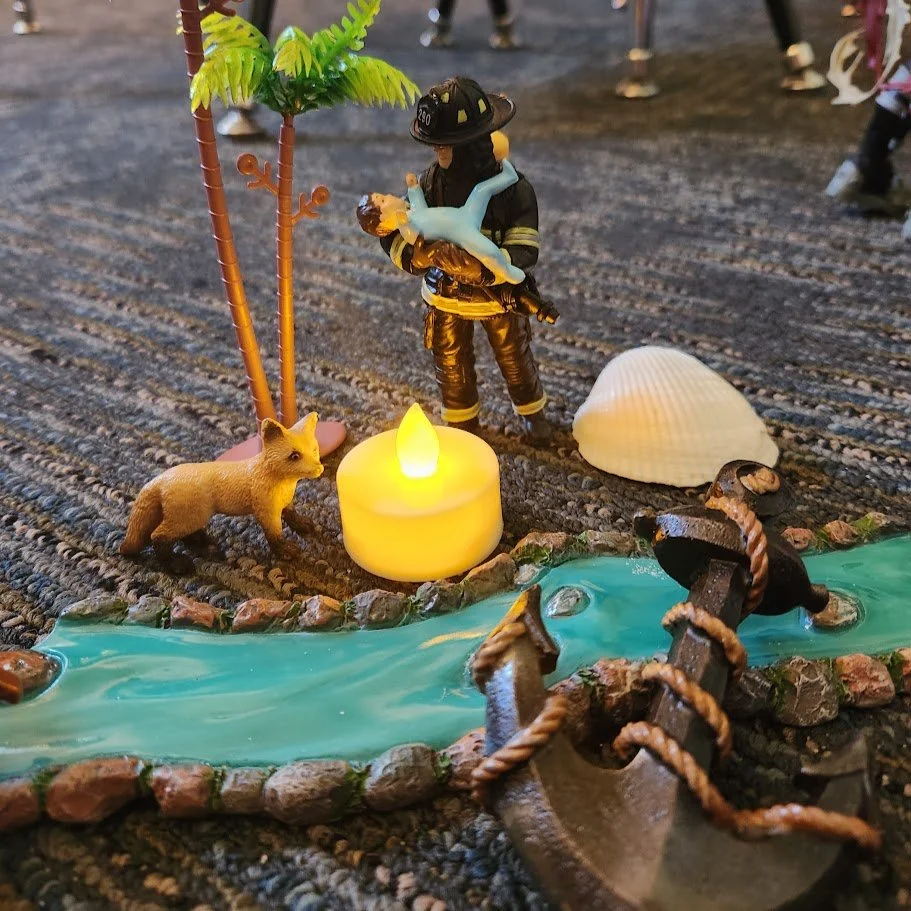


You've spent years trying to understand yourself and some things still haven't shifted.
You've probably already done a lot of work to get here. Years of reflection, maybe other therapists, a real insight into where things began. The understanding you've built is real — play and sand therapy just reach deeper.
I came to this work through my own story.

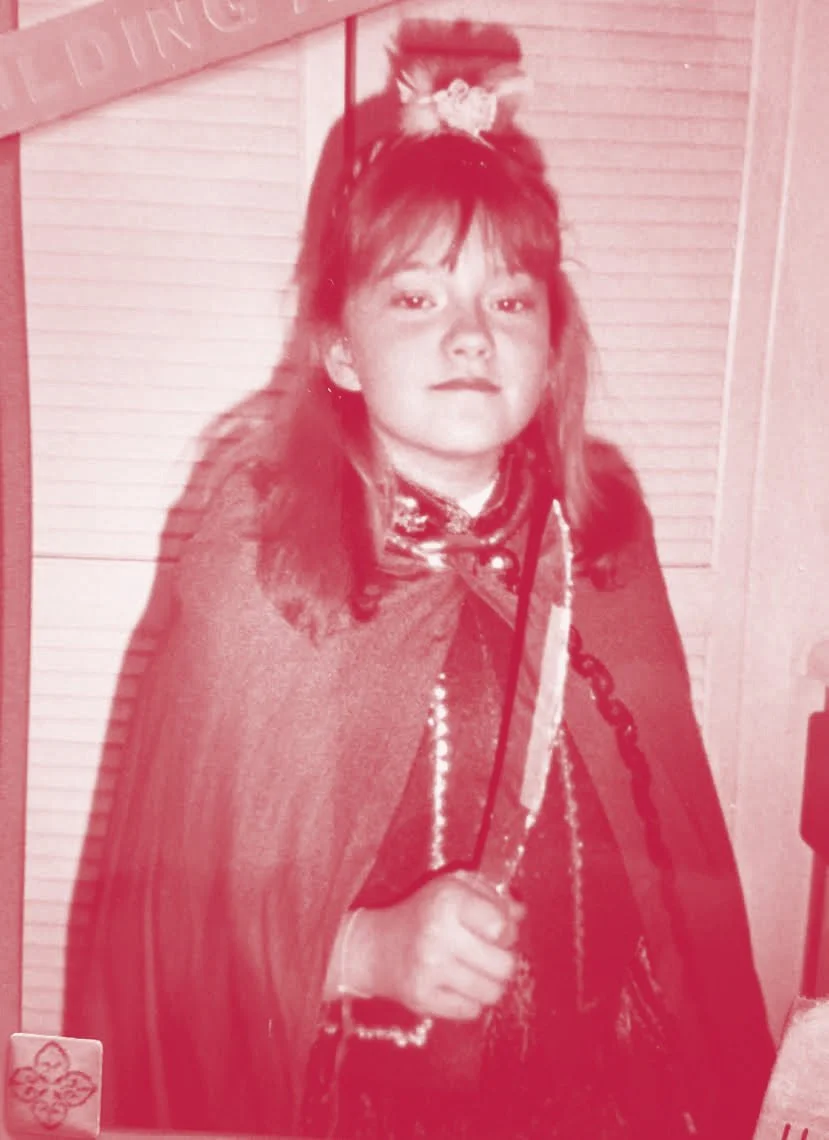



Early in my career I was encouraged to stick to traditional approaches. And for a while, I did.
But those special interests of mine kept expanding what I knew to be true — play, sand, the body, intuition, spiritual presence — until I decided to do it my own weird way. I know that most meaningful work happens when these ways of knowing are allowed to exist together.

That fusion is where relational magic happens.
Playful Integration reflects that evolution: a practice where creativity, relational presence, nervous system awareness, and spiritual insight are woven together.
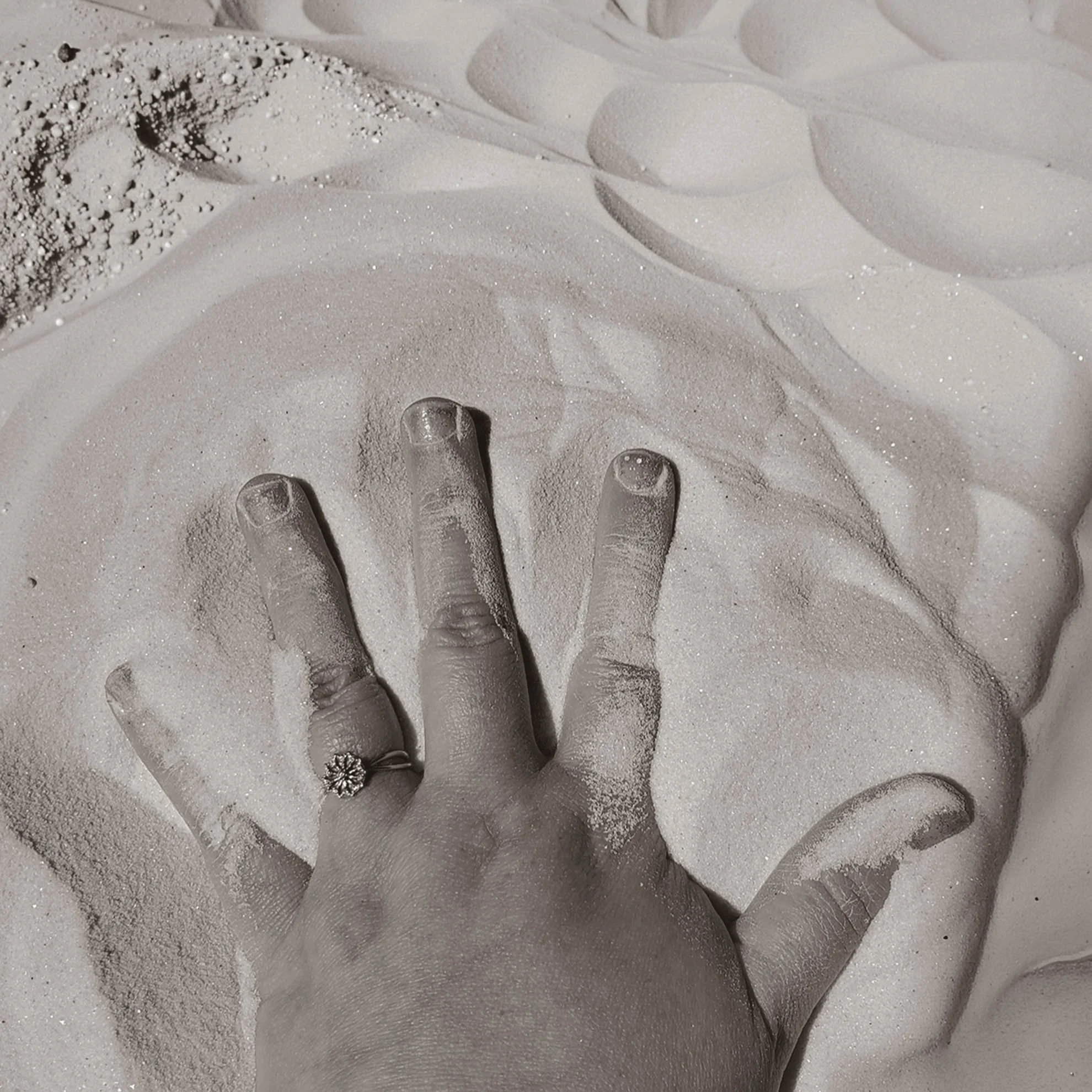
Hi, I'm Heather — play therapist, sand therapy practitioner & devoted cat-mom.
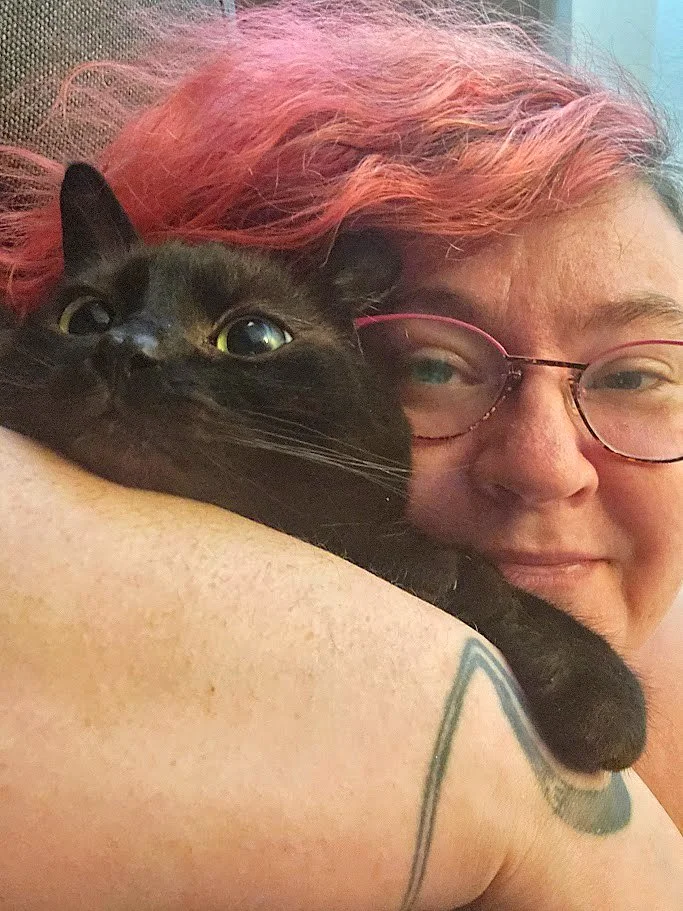
And I believe in relational magic. That moment when someone feels fully seen and something inside begins to shift.
As a neurodivergent therapist, I've spent sixteen years watching what happens when someone finally feels seen as they explore the stories that shaped them. Something shifts — and that's the moment we choose what to carry forward.

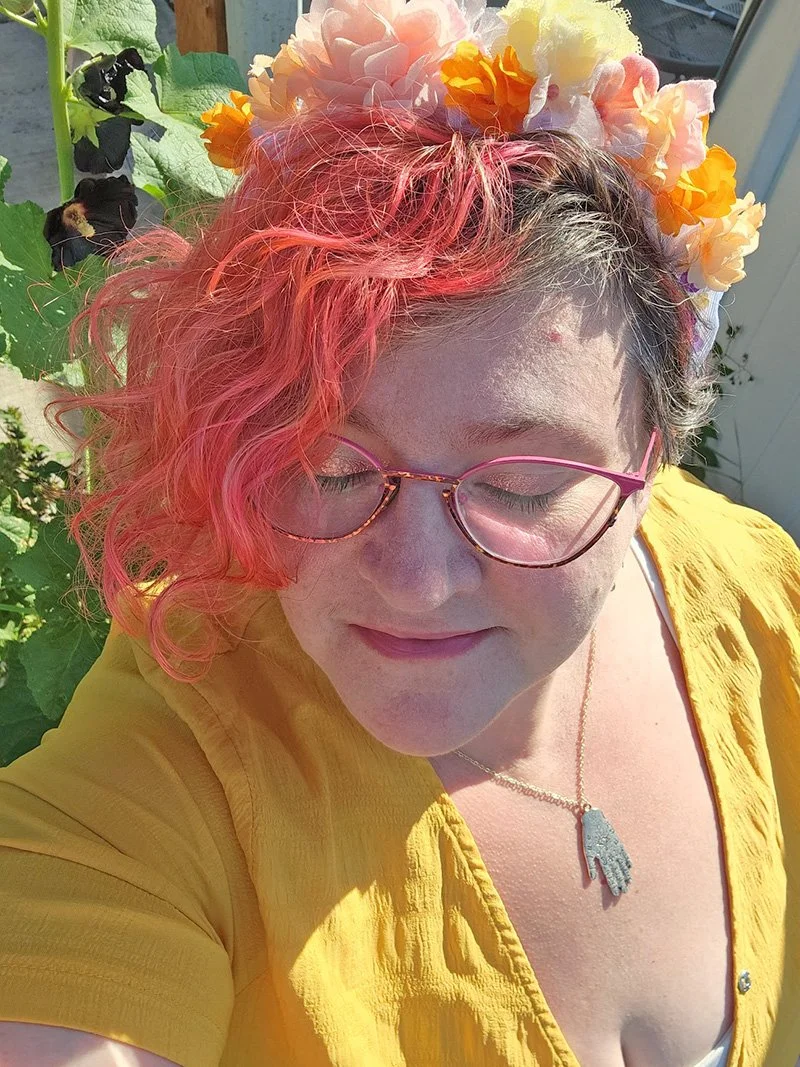

I know what it's like to move through a world that wasn't built for the way our brains work.
Being an AuDHD therapist shapes everything about how I show up. I work with the whole person — nervous system, sensory experience, intuition, relational presence — because that's what it actually takes to reach the places where patterns live.
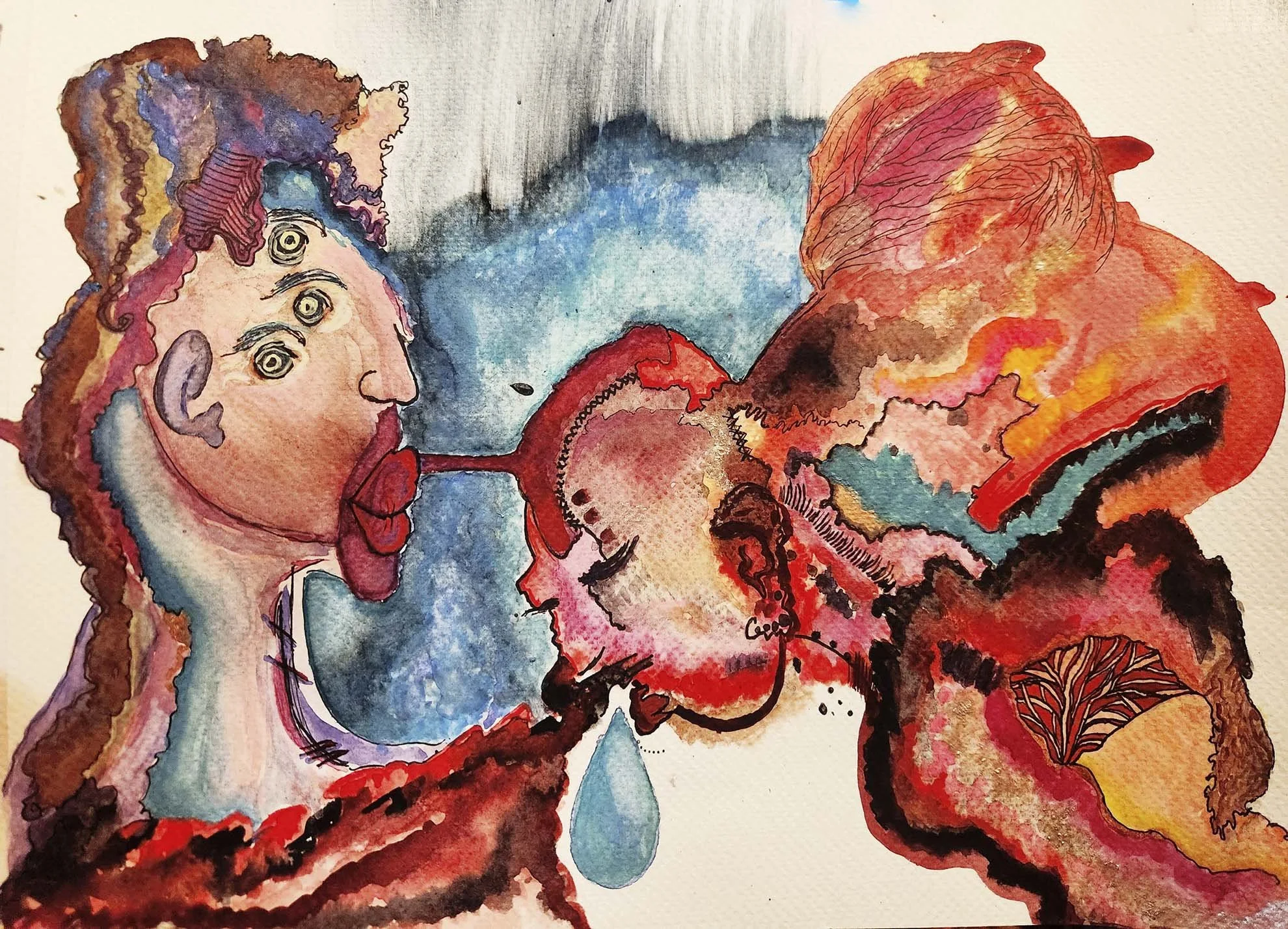
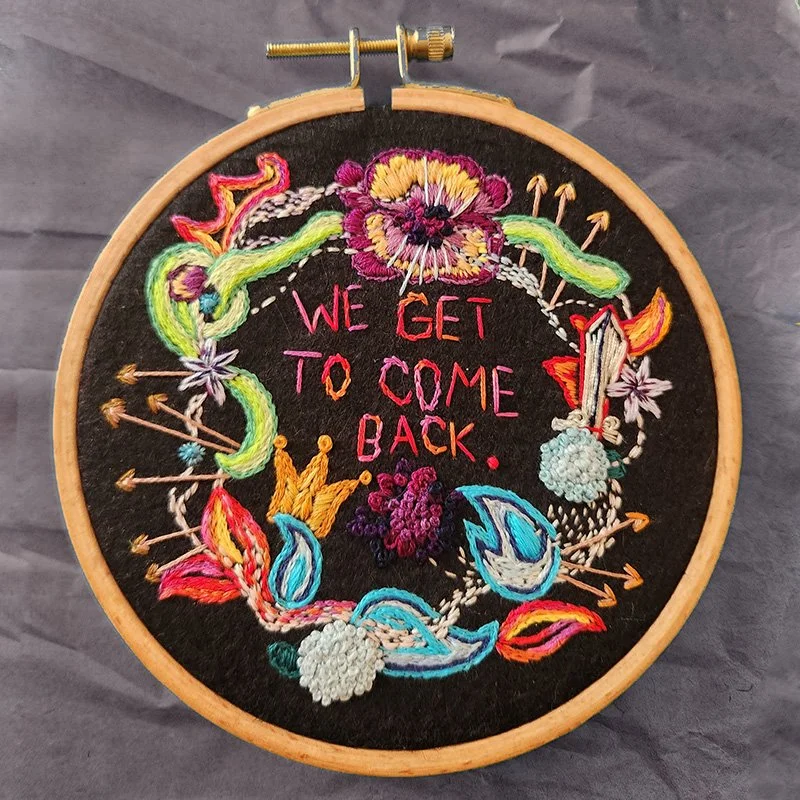
In our work together, we might talk, make art, write, use the sand tray, or play.
Different layers of experience need different ways in. I bring sixteen years of practice, a Synergetic Play Therapy foundation, and a deep trust in what becomes possible when someone finally feels deeply witnessed.
My role is to help people come into contact with what's already there.
"Relationships are the agents of change
& the most powerful therapy is human love."
— Dr. Bruce Perry
That kind of love — the witnessed, relational kind — is what I believe makes healing possible.
When someone feels truly seen as they explore the stories that shaped them, something opens. And what becomes possible from there — for them, for their children, for the people after them — that's what keeps me in the room.
In conversation about the work.
Press
Mirroring the Playroom: Lived Experience in Play Therapy →
A Hero's Welcome podcast
Learning with Heather Fairlee Denbrough →
Wonders Counseling
Navigating Childhood Suicidality: Insights, Strategies & Hope →
Lessons From the Playroom with Lisa Dion, Founder of Synergetic Play Therapy
Young Children & Suicidal Ideation →
With Jackie Flynn
This is what tends to shift.
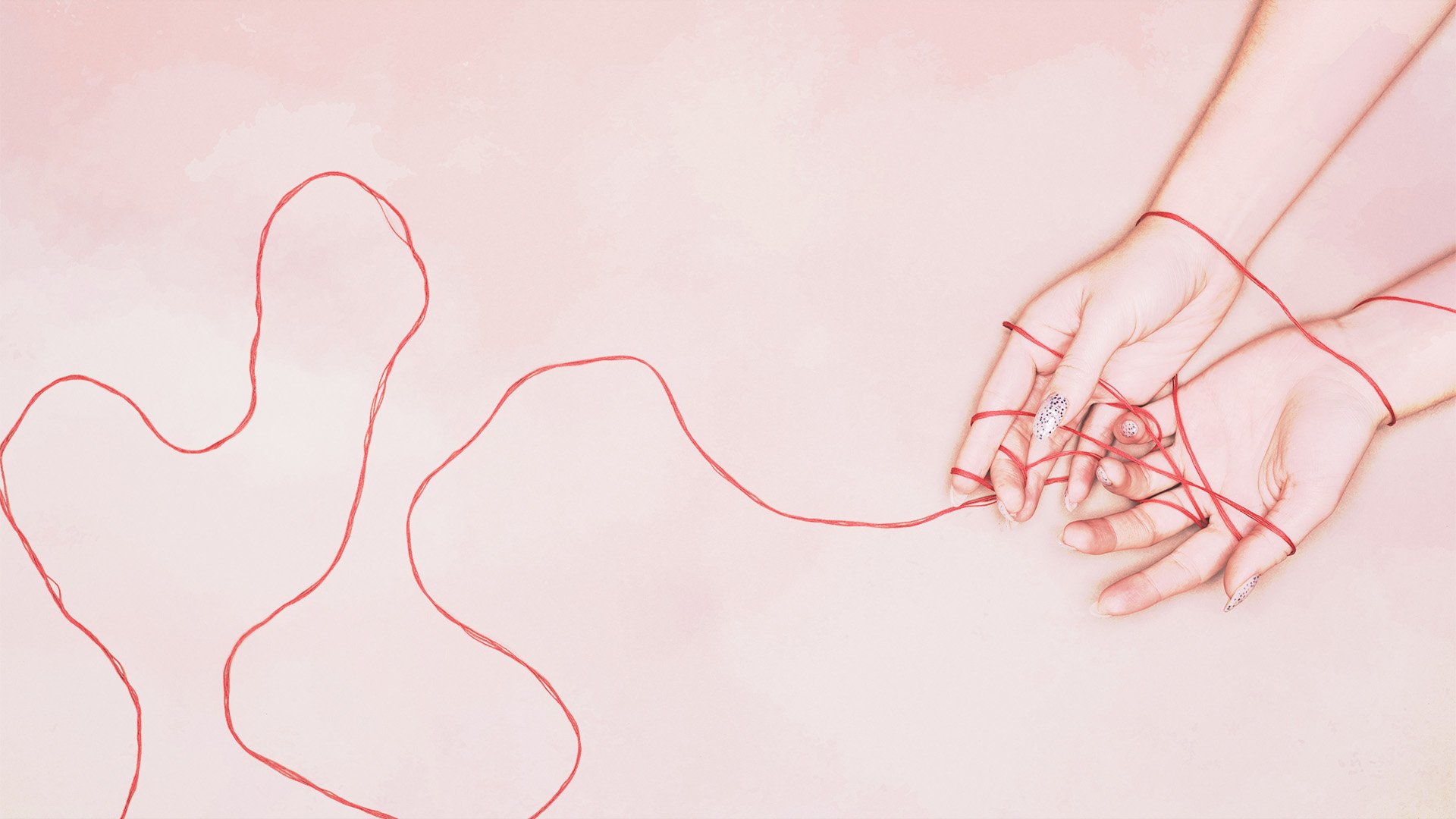
Not all at once. But over time, something changes.
Adults who do this work often find that the patterns they grew up inside begin to loosen. The reactions that once felt automatic start to have more space around them.
For parents, that often looks like showing up with their kids differently — not perfectly, but more intentionally. More like themselves.
For neurodivergent people, it often looks like finding a place where they don't have to translate themselves for anyone. Where their way of experiencing the world is treated as meaningful, not something to manage.